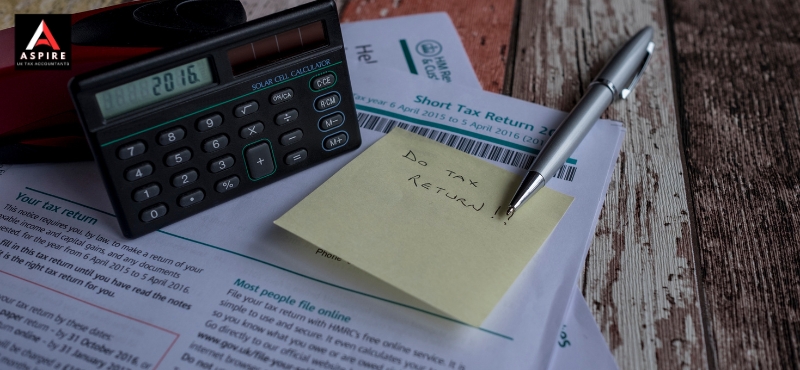

Tax planning is not just something to think about at year-end. For UK small businesses, good tax planning in 2026 means keeping accurate records, understanding changing HMRC rules, managing cash flow and making smarter financial decisions throughout the year.
Whether you run a sole trader business, limited company, startup or growing SME, these tax planning tips for UK small businesses will help you stay compliant, reduce avoidable tax pressure and plan ahead with confidence.
ASPIRE UK TAX ACCOUNTANTS is an ACCA registered UK accountancy practice offering tax, bookkeeping, VAT, payroll, HMRC support, company formation, business advisory and year-end accounting services for UK sole traders, landlords, limited companies, startups and SMEs.
1. Start Tax Planning Early, Not at the Deadline
One of the biggest mistakes small businesses make is waiting until the tax return or accounts deadline before thinking about tax. By then, many useful planning opportunities may already be missed.
Good tax planning starts at the beginning of the financial year. This gives you time to review profits, expenses, cash flow, dividends, payroll, VAT, pension contributions and investment plans before key deadlines arrive.
For example, a small limited company that reviews tax quarterly can decide whether to invest in equipment, adjust director salary, plan dividends or improve cash reserves before year-end. However, a business that waits until the final week may only be able to file what has already happened.
This is where professional Tax Planning can make a real difference. ASPIRE UK TAX ACCOUNTANTS helps businesses look ahead, not just file returns after the event.
2. Keep Accurate Records All Year Round
Strong records are the foundation of smart tax planning. If your income, expenses, invoices and receipts are not organised, it becomes harder to claim allowable costs, prepare VAT returns, respond to HMRC or understand your real profit.
Good records should include:
- Sales invoices
- Purchase receipts
- Bank statements
- Payroll records
- VAT records
- Mileage logs
- Software subscriptions
- Business loan statements
- Asset purchase documents
- Director loan account records
In addition, HMRC is moving more taxpayers towards digital record keeping. From 6 April 2026, sole traders and landlords with qualifying income over £50,000 must use Making Tax Digital for Income Tax, keep digital records and send quarterly updates to HMRC using compatible software.
If your records are still kept in messy spreadsheets or paper folders, now is the right time to improve your system. Aspire's Record Keeping service can help you organise financial documents, maintain audit trails and prepare for HMRC compliance.
3. Prepare for Making Tax Digital in 2026
Making Tax Digital, often called MTD, is one of the most important changes for UK small businesses in 2026.
From April 2026, many sole traders and landlords with annual self-employment and property income over £50,000 must use MTD for Income Tax. The threshold then reduces to over £30,000 from April 2027 and over £20,000 from April 2028.
This means affected businesses will need to:
- Keep digital income and expense records
- Use MTD-compatible software
- Submit quarterly updates to HMRC
- Submit a final tax return
- Pay tax by the usual deadline
For many small businesses, this is not just a software change. It is a workflow change. Instead of preparing figures once a year, business owners will need to keep records updated throughout the year.
ASPIRE UK TAX ACCOUNTANTS already works with software such as Sage, Xero, QuickBooks, TaxCalc, Moneysoft and other platforms, making it easier for businesses to move towards digital compliance.
For support with cloud records, VAT and MTD-ready bookkeeping, explore Bookkeeping & VAT.
4. Claim Allowable Business Expenses Correctly
Claiming allowable expenses is one of the simplest ways to reduce taxable profit legally. However, the expenses must be genuine business costs and properly recorded.
Common allowable business expenses may include:
- Office costs
- Business software
- Accountancy fees
- Insurance
- Travel for business purposes
- Staff wages
- Marketing costs
- Telephone and internet business use
- Training related to the business
- Professional subscriptions
- Business premises costs
However, not every payment from the business bank account is automatically tax deductible. Personal costs, mixed-use expenses and poorly evidenced claims can create problems if HMRC reviews your records.
For example, if you use your mobile phone for both business and personal use, only the business portion should normally be claimed. Similarly, if you work from home, you need a reasonable method for claiming business use.
The goal is not to claim everything. The goal is to claim correctly, confidently and with evidence.
5. Use Capital Allowances When Investing in Equipment
If your business buys equipment, machinery, computers, tools, vans or other qualifying assets, you may be able to claim capital allowances.
The Annual Investment Allowance, also known as AIA, allows businesses to deduct the full value of qualifying plant and machinery from profits before tax, up to the AIA limit. The AIA limit is permanently set at £1 million for qualifying expenditure.
This can be useful for businesses planning to invest in:
- Tools and machinery
- Office equipment
- Computer hardware
- Commercial vehicles
- Fixtures and fittings
- Certain business equipment
However, timing matters. Buying an asset before or after your accounting year-end can affect when tax relief is available.
Before making a large purchase, speak with an accountant. A planned investment can support business growth and tax efficiency, but only if it fits your cash flow and tax position.
6. Monitor the VAT Threshold Carefully
VAT planning is essential for growing UK small businesses.
The UK VAT registration threshold is £90,000 taxable turnover. If your total taxable turnover for the last 12 months goes over £90,000, you must register for VAT. HMRC also says businesses must register within 30 days of the end of the month in which they crossed the threshold.
The key point is that VAT is based on a rolling 12-month period, not just your accounting year. This means you should check turnover regularly.
VAT planning can help you decide:
- When registration becomes compulsory
- Whether voluntary VAT registration makes sense
- How VAT will affect pricing
- Which VAT scheme may suit your business
- Whether cash flow could be affected
- How to keep VAT records correctly
For example, if most of your customers are VAT-registered businesses, voluntary registration may be less of a pricing issue because they may reclaim VAT. However, if your customers are mainly individuals, VAT could make your services appear more expensive.
Aspire's Bookkeeping & VAT support can help with VAT registration, VAT returns, MTD compliance and HMRC VAT inspection support.
7. Review Your Business Structure
Your business structure affects how you pay tax, manage risk and plan for growth.
A sole trader structure is simple, but business profits are taxed through Self Assessment. A limited company is a separate legal entity and pays Corporation Tax on company profits. For 2026, the small profits Corporation Tax rate is 19% for companies with profits up to £50,000, while the main rate is 25% for companies with profits over £250,000, with marginal relief potentially applying between those limits.
A limited company may offer:
- Limited liability protection
- More formal business credibility
- Salary and dividend planning options
- Better structure for future growth
- Easier separation of business and personal finances
However, it also brings more admin, filing duties and director responsibilities.
If your business is growing, it may be worth reviewing whether your current structure still suits your income, risk, plans and tax position. Aspire's Business Advisory service can support structure reviews, forecasting, cash flow planning and strategic growth decisions.
8. Plan Payroll, Director Salary and Dividends Properly
Payroll planning is important for both employers and limited company directors.
If your business employs staff, you need to manage PAYE, RTI submissions, pension auto-enrolment, payslips, statutory payments and year-end payroll duties. Mistakes can lead to penalties, unhappy employees and HMRC problems.
For limited company directors, salary and dividends should also be planned carefully. Taking money from the company without proper records can create director loan issues, dividend errors or unexpected tax bills.
A good payroll plan should consider:
- Director salary
- Staff wages
- Employer National Insurance
- Pension contributions
- Dividend timing
- Available company profits
- Payroll deadlines
- RTI submissions
- P60 and year-end duties
Aspire's Payroll & PAYE service can help with RTI submissions, pension auto-enrolment, employee support, payslips, P60s and full PAYE compliance.
9. Plan for Tax Payments and Cash Flow
Tax planning is not only about reducing tax. It is also about making sure you can pay tax on time.
Many small businesses struggle because they treat tax money as available cash. Then, when the tax deadline arrives, the business faces pressure.
To avoid this, set aside money regularly for:
- Corporation Tax
- VAT
- PAYE
- National Insurance
- Self Assessment
- Payments on account
- Dividend tax
- Business rates where relevant
A simple approach is to move a percentage of income into a separate tax savings account each month. This keeps tax money separate from trading cash.
In addition, cash flow forecasting can help you see future pressure points. For example, if VAT, payroll and supplier payments fall in the same month, you can plan ahead instead of reacting late.
Aspire's business advisory and accounting services can help businesses build clearer cash flow forecasts, review profitability and prepare for future tax liabilities.
10. Get Professional Advice Before HMRC Problems Start
Many business owners contact an accountant only after receiving an HMRC letter. However, proactive advice is usually better than emergency support.
HMRC issues can arise from:
- Late tax returns
- Incorrect VAT returns
- Poor records
- Payroll mistakes
- Unreported income
- Wrong expense claims
- Missed registration deadlines
- Director loan problems
- Incomplete company accounts
If HMRC opens an enquiry, your records and responses matter. Aspire provides HMRC Tax Support through its Tax Investigations and Enquiries service, including investigation representation, dispute resolution, disclosure strategy and penalty mitigation support.
Getting advice early can reduce stress, improve compliance and protect your business from avoidable mistakes.
Bonus Tip: Do Not Treat Year-End Accounts as a Formality
Year-end accounts are more than a filing requirement. They show how your business performed and where improvements can be made.
Strong year-end accounts can help you understand:
- Profit margins
- Cost increases
- Tax position
- Cash flow trends
- Director withdrawals
- Business performance
- Funding readiness
- Future planning needs
Aspire's Accounting Services include year-end statutory accounts, management accounts, cash flow analysis, Corporation Tax returns, Self Assessment, partnership returns and financial health reviews.
When used properly, accounts become a decision-making tool, not just a compliance document.
Why Tax Planning Matters for UK Small Businesses in 2026
The 2026 tax environment requires small businesses to be more organised than ever. Making Tax Digital is expanding, VAT thresholds need regular monitoring, payroll compliance remains important and HMRC expects accurate records.
Good tax planning helps you:
- Avoid last-minute stress
- Reduce preventable errors
- Improve cash flow
- Claim allowable reliefs correctly
- Stay ready for HMRC checks
- Make better investment decisions
- Choose the right business structure
- Plan for growth with confidence
Most importantly, it gives business owners financial control. Instead of guessing your tax position, you can make decisions based on clear numbers.
Conclusion
These top 10 tax planning tips for UK small businesses in 2026 show one clear message: tax planning should be proactive, organised and linked to your business goals.
Keep accurate records, prepare for Making Tax Digital, monitor VAT, plan payroll, review expenses, use allowances correctly and seek advice before problems appear.
If you want expert help with tax planning, bookkeeping, VAT, payroll, HMRC support, business advisory or year-end accounts, contact ASPIRE UK TAX ACCOUNTANTS. Their ACCA registered team can help your business stay compliant, reduce tax stress and grow with confidence.
FAQs About Tax Planning for UK Small Businesses
1. What is tax planning for a small business?
Tax planning means organising your business finances in a legal and efficient way so you understand your tax position, claim allowable reliefs correctly and avoid unnecessary penalties or cash flow problems.
2. When should a UK small business start tax planning?
A small business should start tax planning at the beginning of the financial year and review it regularly. Waiting until the deadline often limits your options.
3. What is the VAT threshold for UK small businesses in 2026?
The VAT registration threshold is £90,000 taxable turnover. If your rolling 12-month taxable turnover goes over this amount, you must register for VAT.
4. Who needs to prepare for Making Tax Digital in 2026?
From 6 April 2026, sole traders and landlords with qualifying income over £50,000 must use Making Tax Digital for Income Tax.
5. Can small businesses reduce tax legally?
Yes. Small businesses can reduce tax legally by claiming allowable expenses, using capital allowances, planning pension contributions, managing VAT correctly, reviewing business structure and keeping accurate records.
6. Do I need an accountant for tax planning?
You can manage basic records yourself, but an accountant can help with complex areas such as VAT, payroll, Corporation Tax, Self Assessment, HMRC enquiries, Making Tax Digital and business structure planning.
7. Why choose ASPIRE UK TAX ACCOUNTANTS for tax planning?
ASPIRE UK TAX ACCOUNTANTS is an ACCA registered UK accountancy practice offering tax planning, bookkeeping, VAT, payroll, HMRC support, business advisory and accounting services for UK sole traders, limited companies, landlords, startups and SMEs.